

Swansea bushfire shows why Tasmania’s east coast stays on edge
A bushfire near Swansea has brought firefighters, aircraft, smoke alerts, and nervous memories back to Tasmania’s east coast.
4 min readApr 27, 2026
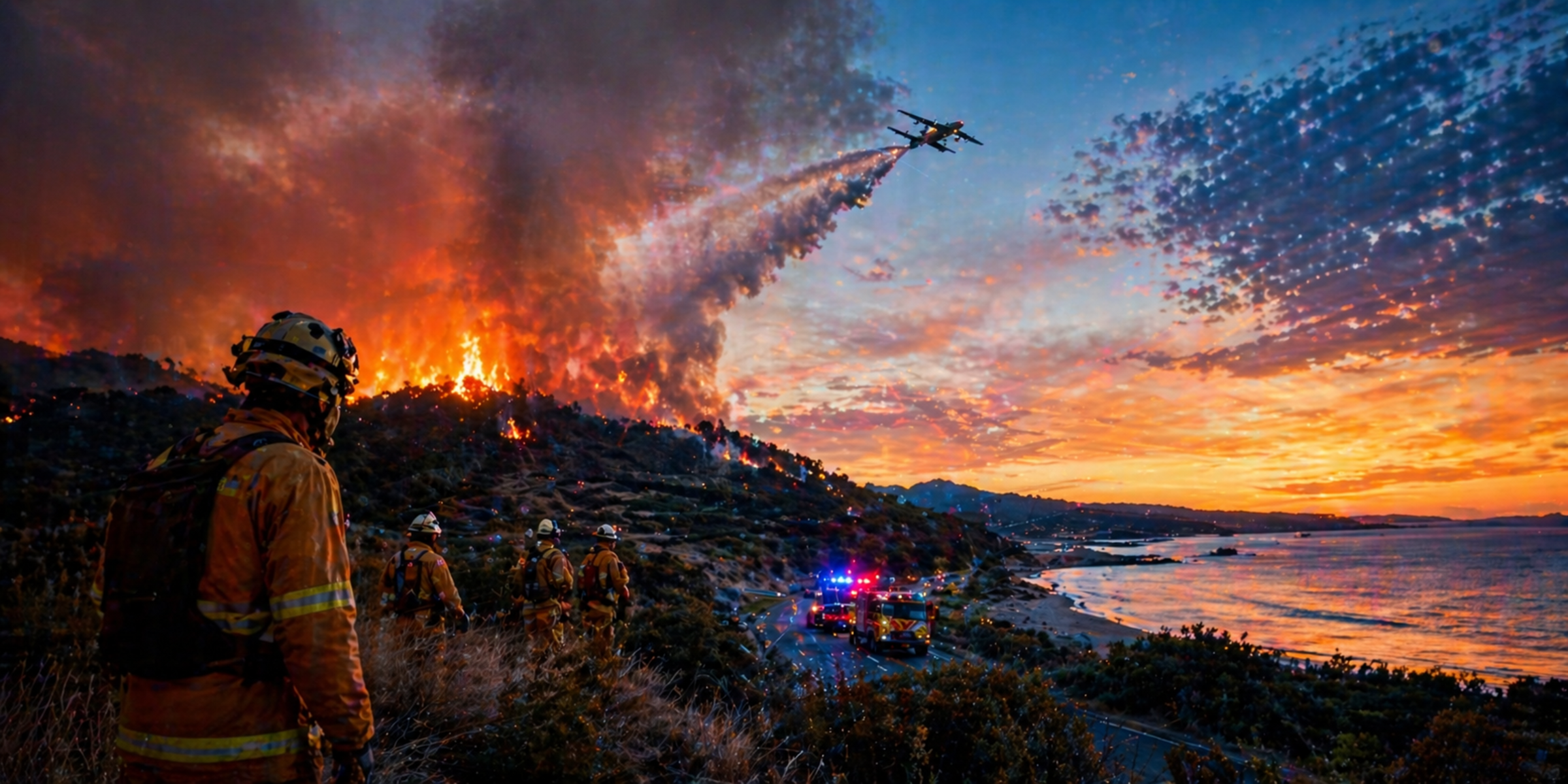
The fire near Swansea
A bushfire burning near McNeills Road at Swansea has drawn a strong emergency response, with firefighters and aircraft deployed to strengthen containment lines and slow the spread. The alert area has included Swansea and surrounding districts, with smoke warnings also affecting Dolphin Sands and the Cambria Drive area. Authorities have said conditions can change, and people nearby have been told to monitor official warnings closely.
The east coast knows this feeling
The east coast of Tasmania is beautiful country, but it is also bushfire country. Dry scrub, coastal winds, narrow roads, and scattered homes can turn a local fire into a serious problem very quickly. That is why a fire near Swansea gets attention fast. It is not only about flames on a map. It is about communities that know what can happen when wind, heat, fuel, and timing line up the wrong way.
Why Dolphin Sands matters
Dolphin Sands has already been through hard fire history, and that makes any nearby warning feel heavier. Earlier reporting said the fire was travelling east toward Dolphin Sands, and Watch and Act warnings had been issued before being downgraded as conditions changed. Even when there is no immediate threat, the message is still serious: people need to stay alert, have a plan, and be ready to act early if the situation turns.
The problem is speed
The problem with bushfires is that people often judge them by what they can see. If the sky looks calm or the flames seem far away, it is easy to relax. But fires do not always move politely. Embers can travel ahead of the main front. Smoke can cut visibility. Wind can push fire into new ground. A road that feels safe in the morning can become a poor escape route later in the day. That is why emergency services keep telling people to monitor conditions instead of waiting for someone to knock on the door.
Aircraft change the response
Aircraft being used on a fire tells the public that crews are taking the situation seriously. Ground crews build and hold containment lines, but aircraft can help slow fire behaviour, support hard-to-reach areas, and buy time when conditions are difficult. This does not mean the fire is out of control everywhere. It means fire managers are using every useful tool early. In bushfire country, early pressure can make a big difference.
What this really means for locals
What this really means is that residents around Swansea, Dolphin Sands, Cambria Drive, and nearby areas should treat official updates as the source of truth. Social media rumours can spread faster than fire, but they do not replace TasAlert, Tasmania Fire Service warnings, or emergency instructions. The safest habit is simple: check the official alert level, understand what it means, and know what you will do before the situation becomes urgent.
Why warnings change
Some people get frustrated when a warning is issued, changed, downgraded, or marked out of date. But that is how live emergency information works. A fire can behave one way at midday and another way by late afternoon. Wind can ease. Crews can gain ground. A flank can flare up. A warning downgrade does not mean the danger never existed. It means the official assessment has changed at that moment. That is why people should keep checking for updates rather than relying on one old warning screenshot.
The bigger lesson from this season
Tasmania has already seen serious bushfire impacts this season, including property losses around Dolphin Sands in earlier fires. That background matters because locals are not reacting in a vacuum. When people have seen homes lost before, a smoke column on the horizon carries more weight. It also shows why preparation cannot wait until flames are close. Bushfire planning is boring right up until the day it becomes the most important thing in the house.
The old rule still holds
The old bushfire rule still holds: leaving early is safer than leaving late. That is especially true in places with limited access, coastal roads, heavy smoke, and changing wind. Staying to defend a home is not a casual decision. It depends on preparation, water supply, equipment, fitness, property layout, and the fire conditions on the day. For many people, especially those without a proper plan, the safer choice is to leave before the road becomes stressful or dangerous.
What changes next
The next stage depends on weather, containment work, fuel, and wind. If crews keep strengthening lines and conditions stay favourable, the fire risk can reduce. If wind shifts or dry fuels flare, warnings can rise again. That is the plain truth with bushfires. They are not finished just because the headline moves on. Until emergency services say the risk has passed, people nearby should stay informed, avoid affected roads, and keep their bushfire plan ready.
The bottom line
The Swansea bushfire is a reminder that Tasmania’s east coast cannot afford to treat fire as someone else’s problem. Firefighters, aircraft, warning systems, and containment lines all matter, but local readiness matters too. The best time to think clearly is before smoke is thick, before the road is busy, and before the warning changes. For Swansea and Dolphin Sands, the message is simple: stay alert, stay practical, and follow official advice.