
The Satoshi Reveal Problem No One Is Talking About
Satoshi security fears bitcoin identity
3 min readApr 9, 2026
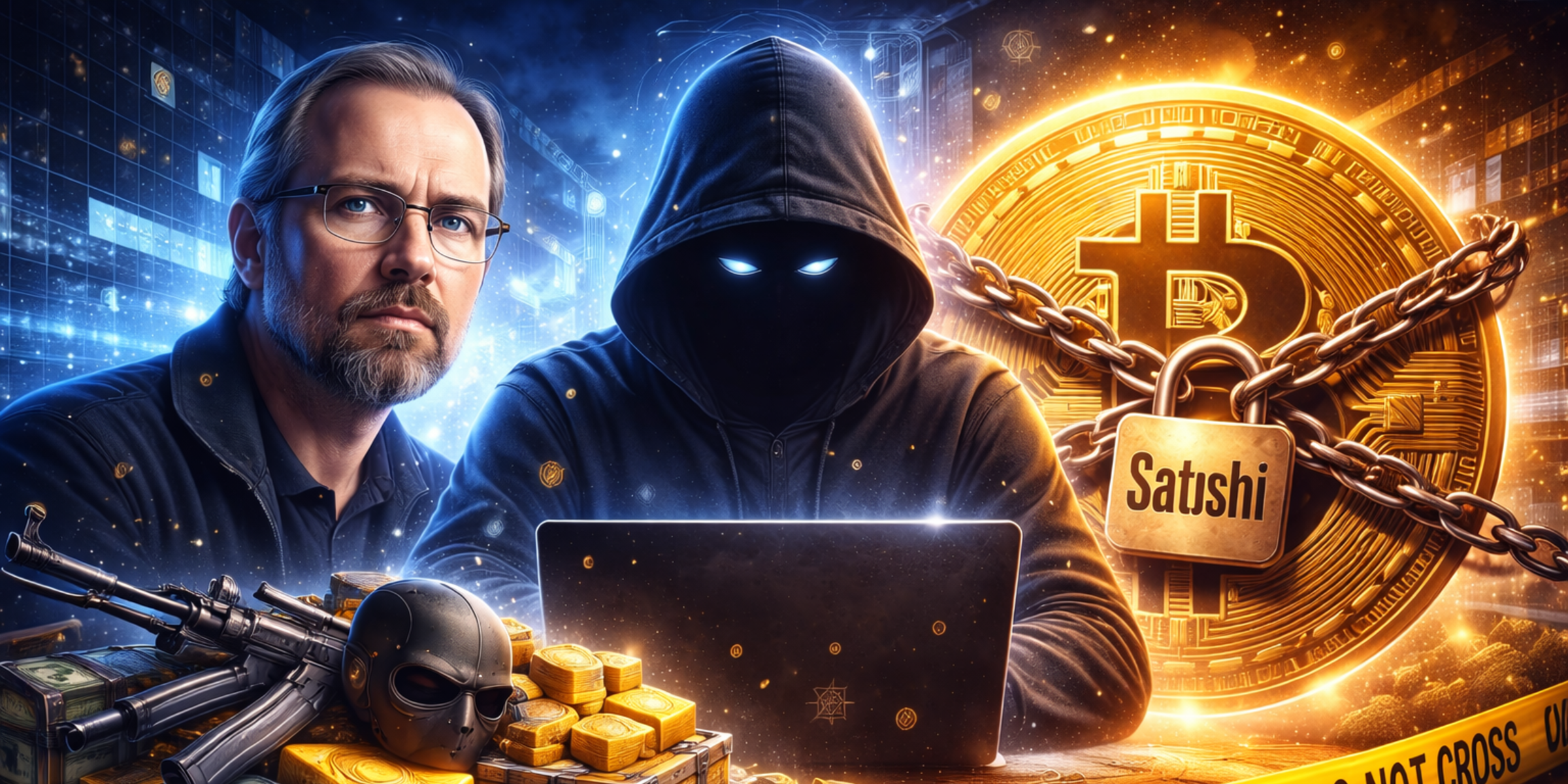
When curiosity becomes a real world risk
For years, the mystery of Satoshi Nakamoto has been one of the most fascinating stories in tech. Who created Bitcoin? Was it one person, a group, or something else entirely? That curiosity has driven countless investigations, theories, and headlines.
But something has changed. The latest New York Times investigation pointing to Adam Back as a possible Satoshi has shifted the conversation away from curiosity and into something far more serious: security risk. According to reporting and analysis, every time a real person is publicly linked to Satoshi, the consequences move from online speculation into real-world danger.
The $78 billion problem
At the centre of this issue is a staggering number. Wallets believed to belong to Satoshi Nakamoto are estimated to hold around 1.1 million Bitcoin. At current prices, that represents tens of billions of dollars, often calculated around $70 to $100 billion depending on market conditions. That changes everything. Because once a name is attached to that level of wealth, even loosely, it creates a completely different type of exposure. This is no longer about being wrong on the internet. It becomes about putting a real person in the crosshairs of criminals, extortion attempts, and even physical threats.
CryptoSlate highlights this clearly. Even weak or circumstantial claims can put individuals at risk of robbery, kidnapping, or worse simply because they are perceived to control an enormous fortune.
Adam Back denies it, but the damage can still happen
Adam Back has once again denied being Satoshi Nakamoto. He has consistently pushed back on these claims, calling the evidence circumstantial and rooted in shared interests among early cryptographers. But denial does not stop the narrative.
Once a major publication links a name to Satoshi, the story spreads fast. Social media amplifies it. Forums debate it. Headlines repeat it. And suddenly, whether true or not, a person is tied to one of the largest untouched fortunes in modern history. That is the real issue. Because in this situation, being wrong does not just mean embarrassment. It can mean personal danger.
The darker side of solving the mystery
There is a growing argument that trying to “solve” Satoshi may actually be harmful. Bitcoin’s design was built around decentralisation, and Satoshi’s disappearance is part of that design’s strength. The absence of a known founder removes a central authority figure and avoids the risk of influence, pressure, or control. But there is now another layer to consider.
If identifying Satoshi creates real-world risk for individuals, then the act of investigation itself becomes ethically complicated. It raises a difficult question: just because something can be investigated, does it mean it should be?
Crypto history has already seen similar cases. Previous individuals wrongly identified as Satoshi have faced harassment, media pressure, and in some cases serious safety concerns. This latest wave of attention shows that those risks are not theoretical.
Why the crypto industry does not seem to care
Interestingly, much of the crypto industry appears relatively unfazed by the latest claims.
Bitcoin has matured into a system that operates independently of its creator. The network runs without Satoshi. The market moves without Satoshi. The ecosystem builds without Satoshi. That means the identity itself matters less to the system than it once did. But it still matters to individuals. Because even if the market shrugs, the personal consequences of being named as Satoshi can be enormous.
This story is not really about whether "Adam Back" is Satoshi. It is about what happens when a digital mystery collides with real-world consequences. In the early days, guessing Satoshi’s identity felt like a puzzle. Today, it looks more like a risk. The numbers are too big. The attention is too intense. The stakes are too real. Bitcoin may not need Satoshi anymore.
But the world still reacts like it does. And that creates a dangerous gap between curiosity and consequence.