
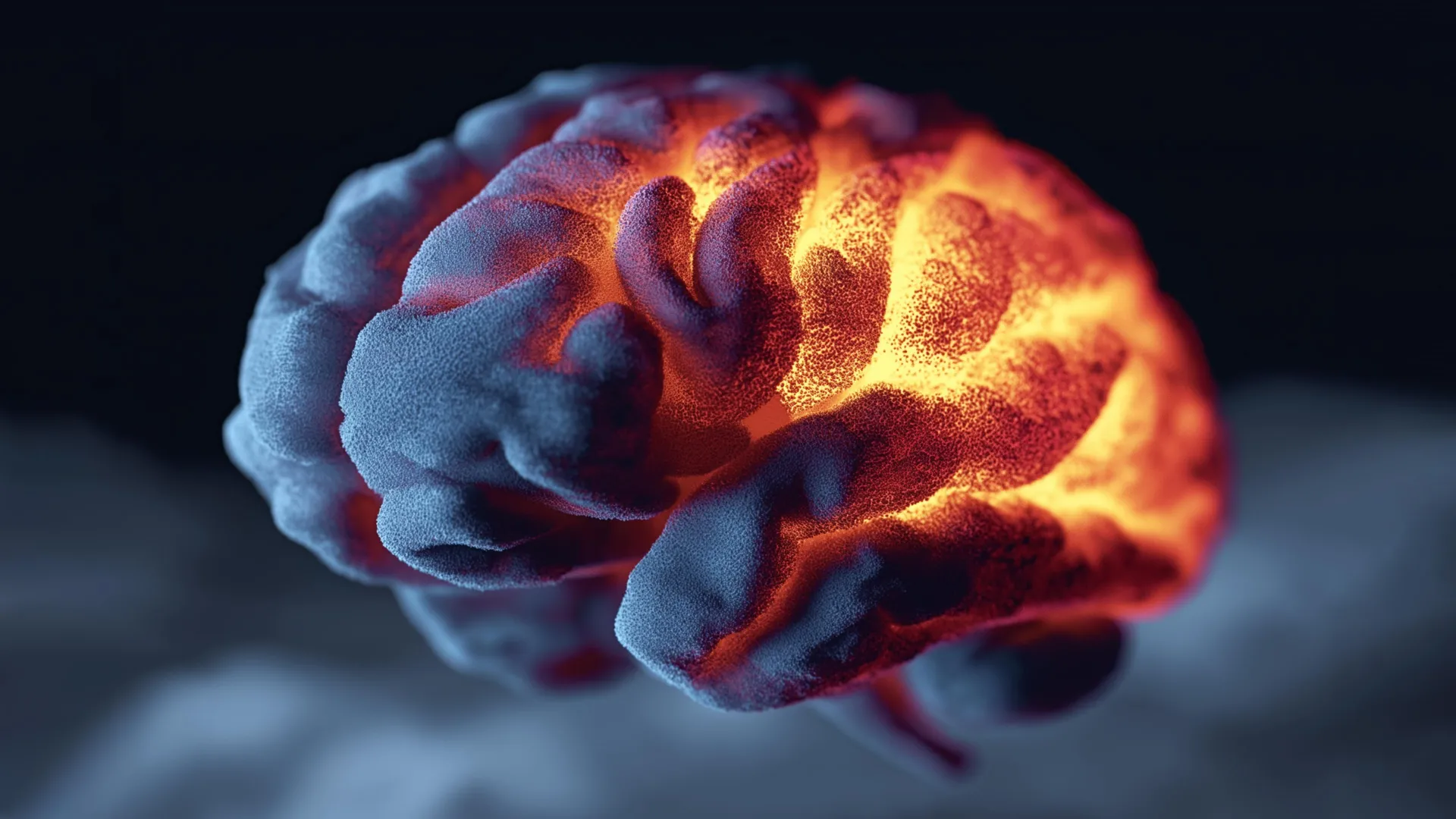
Harvard scientists link gut bacteria to depression through hidden inflammation trigger
A gut bacterium may be quietly fueling depression through an unexpected chemical twist. Researchers found that when Morganella morganii interacts with a common pollutant, it produces a molecule that triggers inflammation—something strongly linked to depression. This finding helps explain how gut microbes can influence brain health at a molecular level. It also raises the possibility of new treatments that target the immune system rather than just the brain.

Fish oil may be hurting your brain, new study finds
Fish oil has long been praised as brain-boosting, but new research suggests the story may be more complicated. Scientists found that in people with repeated mild head injuries, a key omega-3 fatty acid in fish oil—EPA—may actually interfere with the brain’s ability to repair itself. Instead of helping recovery, it appears to weaken blood vessel stability, disrupt healing signals, and even contribute to harmful protein buildup linked to cognitive decline.
 www.bbc.com
BBC Health | Nutrition, Exercise, Relationships, Sleep, Longevity
Explore BBC Health's collection of knowledge on wellbeing and healthy living. BBC Health explores health claims and myths, and shares stories for living well.

 STAT
STATHeart’s beat may help it beat cancer, mouse research suggests
The constant pressure that the heart is under from beating thousands of times a day may create an environment hostile to cancers
 KFF Health News
Friday, April 24, 2026 - KFF Health News
Friday, April 24, 2026
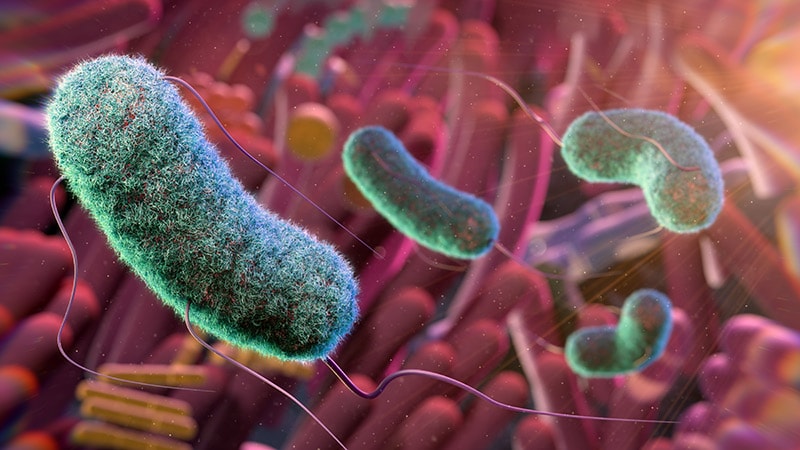
Gut-Vagina Axis in Reproductive and Menopausal Health
New research on the gut-vagina axis links intestinal dysbiosis to bacterial vaginosis, candidiasis, and genitourinary syndrome of menopause — with implications for probiotics and prevention.
www.bbc.comBBC Health | Nutrition, Exercise, Relationships, Sleep, Longevity
Explore BBC Health's collection of knowledge on wellbeing and healthy living. BBC Health explores health claims and myths, and shares stories for living well.

 www.medicalnewstoday.com
Social media data helps AI flag potential risks of GLP-1 medications
An AI study analyzing more than 400,000 Reddit posts identified patient-reported symptoms associated with GLP-1 medications that do not appear on drug labels.

Scientists discover hidden “master switch” driving skin cancer growth and immune escape
A key protein, HOXD13, helps melanoma tumors grow and evade the immune system by boosting blood supply and blocking cancer-fighting T cells. Disabling it shrinks tumors and reopens the door for the immune system—offering a new path for treatment.
 www.healio.com
Weight loss confers ‘meaningful’ reduction in cancer risk
 STAT
STATRevolution Medicines touts ‘unprecedented’ data for pancreatic cancer pill
In a trial, metastatic pancreatic cancer patients on the medicine lived twice as long as those on chemotherapy.

Scientists discover natural hormone that reverses obesity
A hormone called FGF21 can reverse obesity in mice by activating a newly identified brain circuit tied to metabolism. Surprisingly, it works in the hindbrain—the same region targeted by GLP-1 drugs like Ozempic and Wegovy—but through a completely different mechanism. Instead of suppressing appetite, FGF21 ramps up the body’s energy burning. This insight could pave the way for more targeted weight-loss and liver disease treatments.
 www.healio.com
Real-world weight loss confers ‘meaningful’ reduction in cancer risk
Modest real-world weight loss may significantly reduce a person’s risk for cancer, according to results of a retrospective observational study.The risk reduction conferred by nonsurgical weight loss appeared consistent over multiple time intervals.
www.healio.comReal-world weight loss confers ‘meaningful’ reduction in cancer risk
Modest real-world weight loss may significantly reduce a person’s risk for cancer, according to results of a retrospective observational study.The risk reduction conferred by nonsurgical weight loss appeared consistent over multiple time intervals.
 www.medicalnewstoday.com
Alzheimer's: High-dose flu vaccine may cut risk by 55%
Opting for the higher-than-standard dose of the flu vaccine may help lower Alzheimer's risk by more than half in adults over 65 years of age, a new study shows.

Early weight gain is linked to lifelong health consequences
Putting on weight earlier in life may be more dangerous than previously thought. Researchers found that early adulthood obesity significantly raises the risk of premature death, especially from major diseases like heart disease and diabetes. The longer the body carries excess weight, the greater the damage appears to be. Interestingly, cancer risk in women didn’t follow this pattern, suggesting other biological factors are at play.
 www.medicalnewstoday.com
Medical and health information | MedicalNewsToday
Medical news and health news headlines posted throughout the day, every day
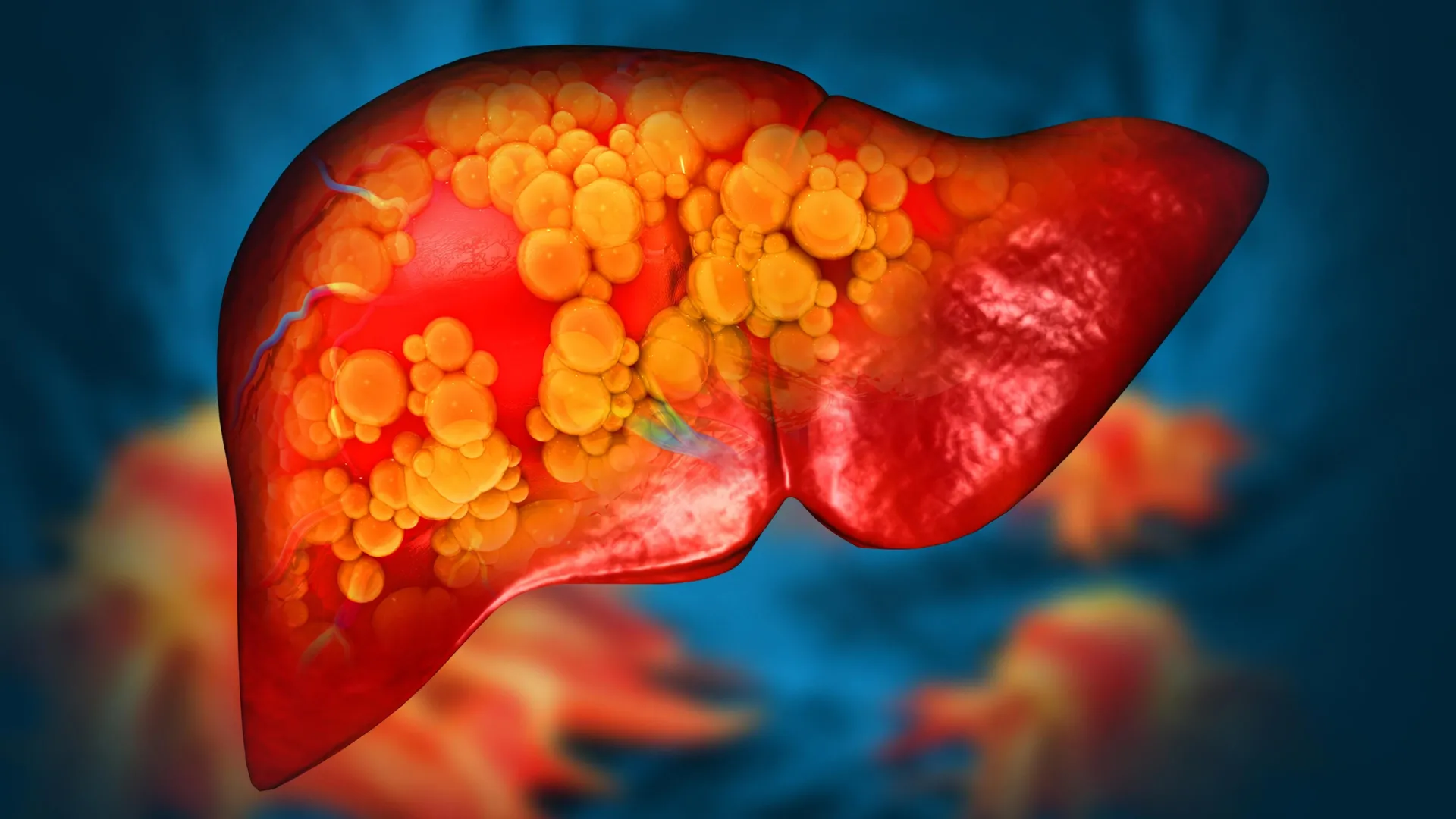
Binge drinking just once a month may triple your risk of liver scarring
Many people think that occasional binge drinking is harmless if they otherwise drink in moderation, but new research suggests that assumption may be dangerously wrong. A large U.S. study found that people with metabolic dysfunction–associated steatotic liver disease (MASLD), a condition affecting about one in three adults, face a much higher risk of serious liver scarring if they engage in heavy drinking even just once a month.
 www.medicalnewstoday.com
One bedtime habit may significantly reduce heart risks
Having an irregular bedtimes and sleeping less than 8 hours per night may double the risk of a major cardiovascular event (MACE), a new study has found.