





 www.medicalnewstoday.com
How does eating ultra-processed foods affect your muscles?
Eating high amounts of ultra-processed foods was linked to higher fat accumulation in thigh muscles in a new study.

Fish oil may be hurting your brain, new study finds
Fish oil has long been praised as brain-boosting, but new research suggests the story may be more complicated. Scientists found that in people with repeated mild head injuries, a key omega-3 fatty acid in fish oil—EPA—may actually interfere with the brain’s ability to repair itself. Instead of helping recovery, it appears to weaken blood vessel stability, disrupt healing signals, and even contribute to harmful protein buildup linked to cognitive decline.

 Cancer Today
Plant-forward Diet Linked to Lower Risk for Aggressive Breast Cancer Subtype | Cancer Today
Women who ate a diet focused on both human health and sustainability had reduced risk for estrogen receptor-negative disease.
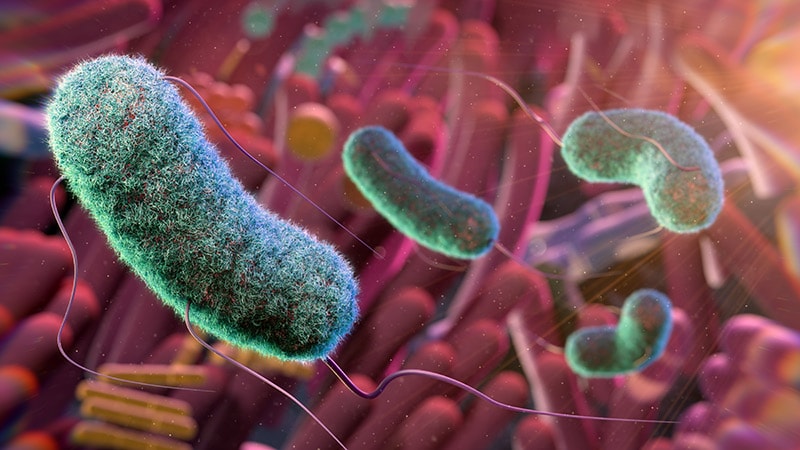
Gut-Vagina Axis in Reproductive and Menopausal Health
New research on the gut-vagina axis links intestinal dysbiosis to bacterial vaginosis, candidiasis, and genitourinary syndrome of menopause — with implications for probiotics and prevention.
Can sparkling water boost metabolism and help with weight loss?
Sparkling water is often seen as a simple, healthy drink—but could it also help with weight loss? New research suggests it may slightly boost how the body processes blood sugar and energy. However, the effect is very small, meaning it’s no substitute for diet and exercise.
Scientists discover natural hormone that reverses obesity
A hormone called FGF21 can reverse obesity in mice by activating a newly identified brain circuit tied to metabolism. Surprisingly, it works in the hindbrain—the same region targeted by GLP-1 drugs like Ozempic and Wegovy—but through a completely different mechanism. Instead of suppressing appetite, FGF21 ramps up the body’s energy burning. This insight could pave the way for more targeted weight-loss and liver disease treatments.
Can sparkling water boost metabolism and help with weight loss?
Sparkling water is often seen as a simple, healthy drink—but could it also help with weight loss? New research suggests it may slightly boost how the body processes blood sugar and energy. However, the effect is very small, meaning it’s no substitute for diet and exercise.
www.medicalnewstoday.comHow does eating ultra-processed foods affect your muscles?
Eating high amounts of ultra-processed foods was linked to higher fat accumulation in thigh muscles in a new study.

 KFF Health News
How To Make a High-Deductible Health Plan Work for You - KFF Health News
Lower premiums often mean higher costs when you get sick and need care. Among the ways to plan ahead and soften the financial hit: health savings accounts, which act like a medical piggy bank.
 www.medicalnewstoday.com
Alzheimer's: High-dose flu vaccine may cut risk by 55%
Opting for the higher-than-standard dose of the flu vaccine may help lower Alzheimer's risk by more than half in adults over 65 years of age, a new study shows.

Early weight gain is linked to lifelong health consequences
Putting on weight earlier in life may be more dangerous than previously thought. Researchers found that early adulthood obesity significantly raises the risk of premature death, especially from major diseases like heart disease and diabetes. The longer the body carries excess weight, the greater the damage appears to be. Interestingly, cancer risk in women didn’t follow this pattern, suggesting other biological factors are at play.
 www.medicalnewstoday.com
Medical and health information | MedicalNewsToday
Medical news and health news headlines posted throughout the day, every day
 Global Wellness Institute
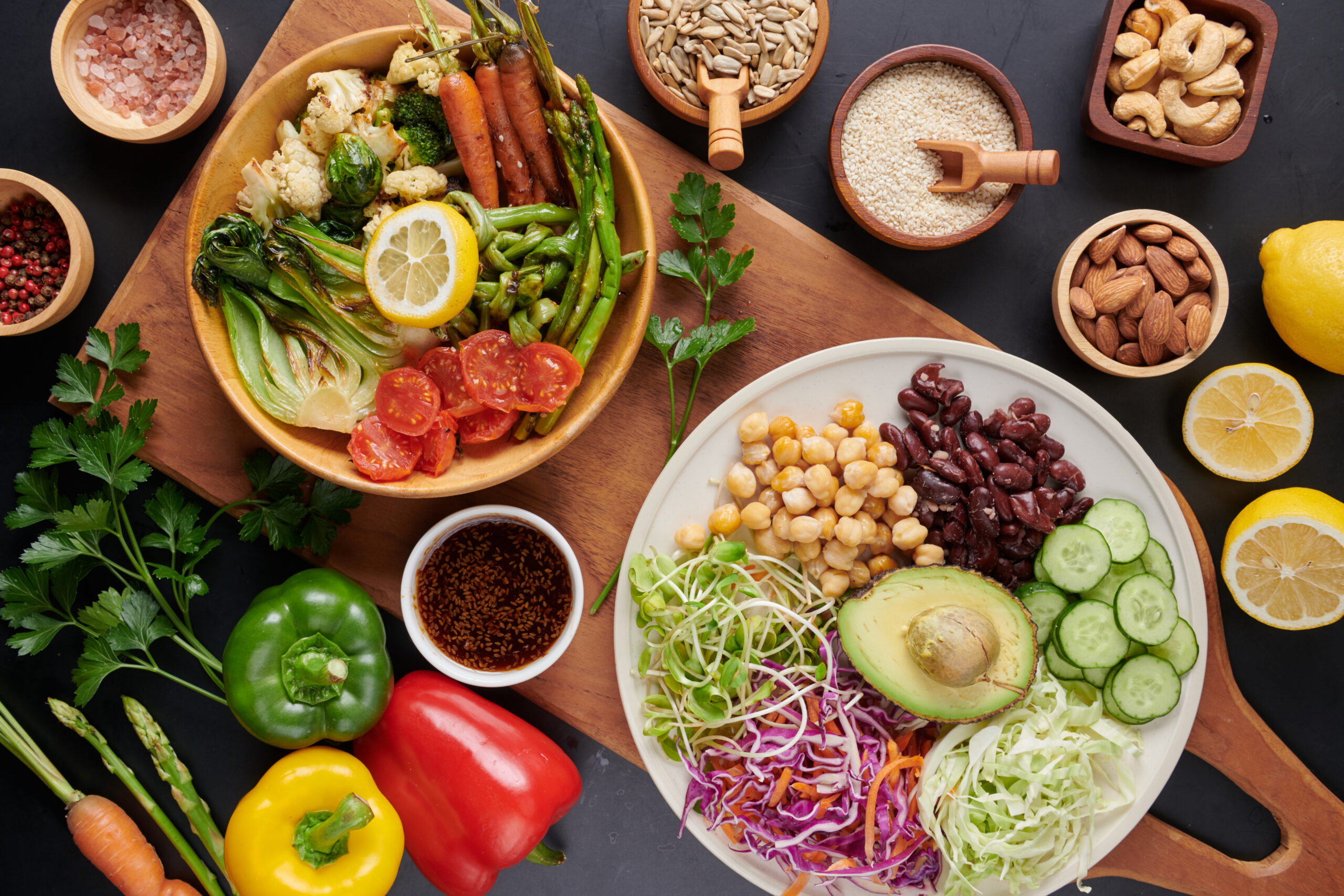
Lifestyle Medicine Initiative Trends for 2026 - Global Wellness Institute
Lifestyle Medicine Initiative 2026 Trends Initiative Chair: Lisa Starr, Consultant for Wynne Business, United States Initiative Vice-Chair: Wilfried Dreckmann, Founding Director of Spa Project, Germany TREND 1: Lifestyle Medicine as First-Line Therapy Lifestyle medicine is no longer adjunctive care. In 2026, health systems increasingly deploy evidence-based lifestyle interventions as first-line therapy for cardiometabolic disease, mental health conditions, musculoskeletal health and cancer survivorship—embedded into care pathways, quality…
 Harvard T.H. Chan School of Public Health
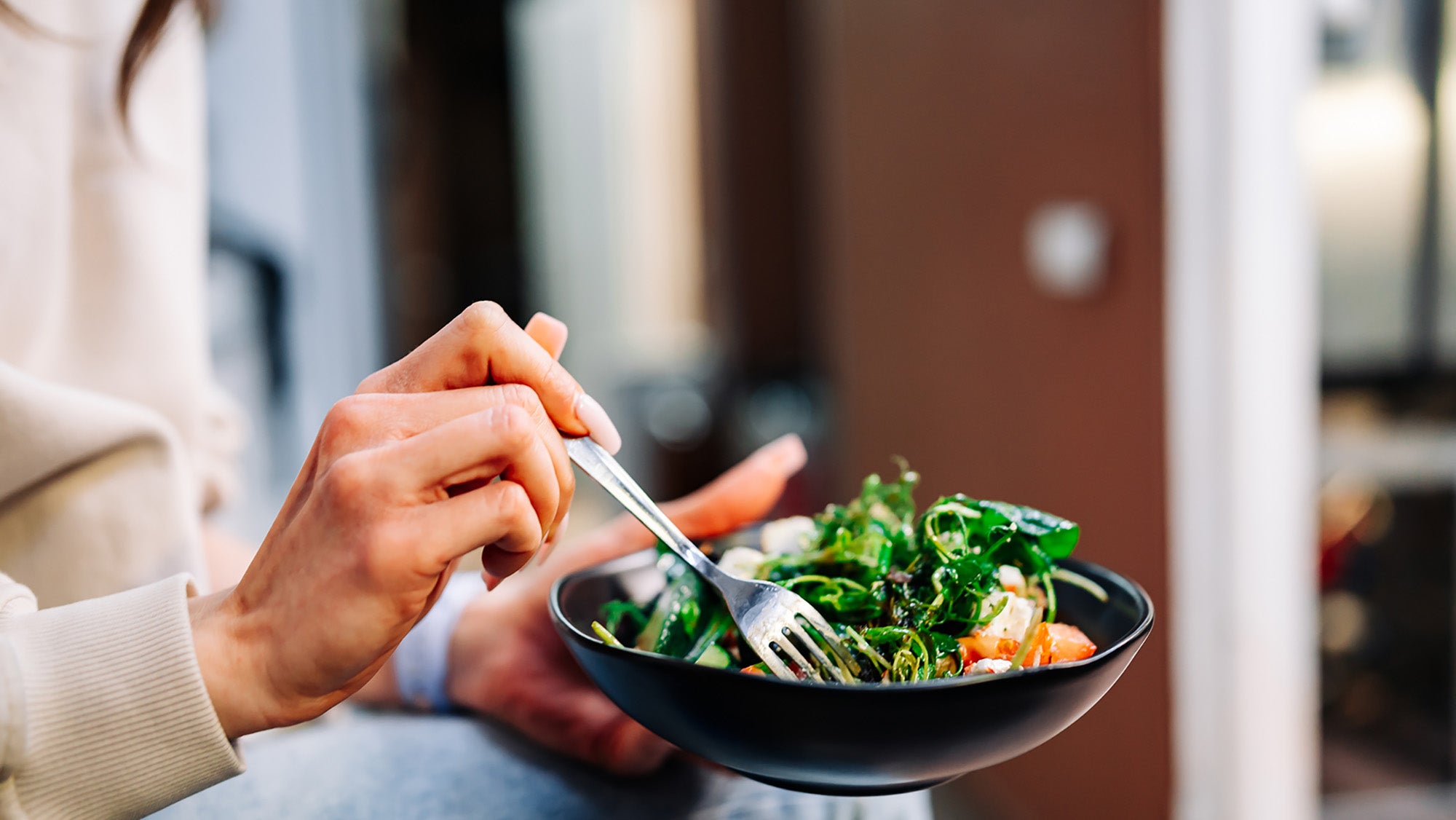
Healthy diet in midlife may protect brain decades later | Harvard T.H. Chan School of Public Health
Heart-healthy eating patterns may also promote long-term cognitive health.


